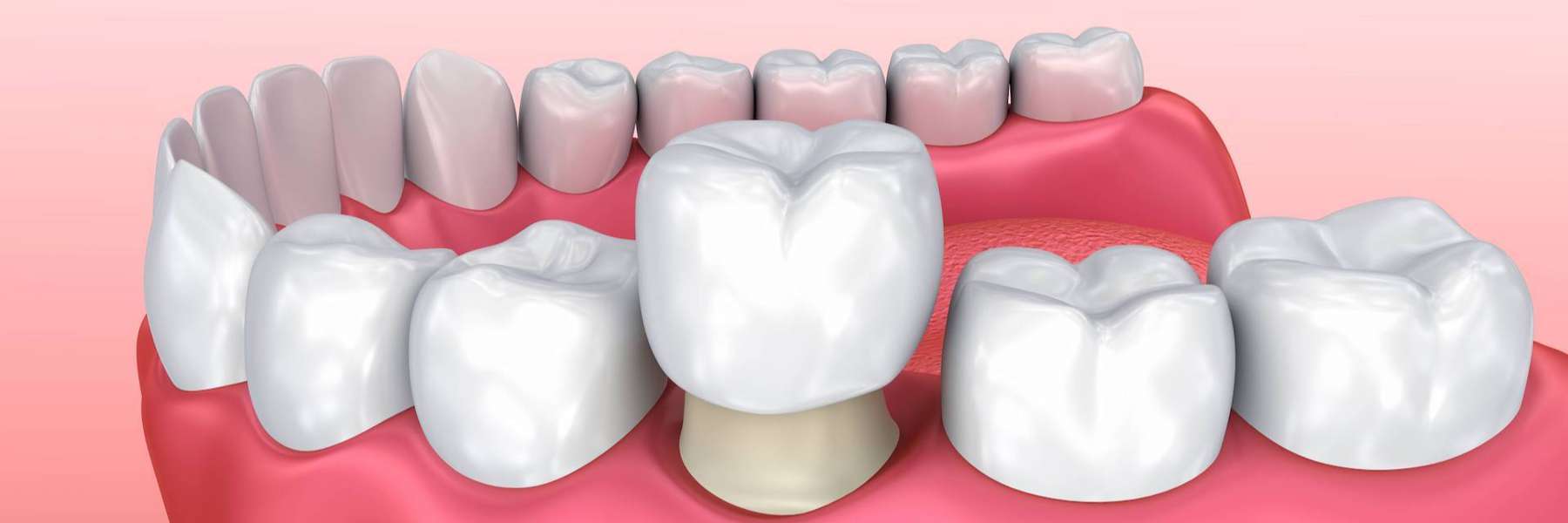

Dental crowns are one of the most reliable ways to restore or replace damaged teeth while preserving your natural smile. Whether a tooth is weakened by decay, fracture, or a previous procedure, or you need a long-term replacement atop a dental implant, a crown provides protection, strength, and long-term stability.
When Is a Dental Crown the Right Solution?
We recommend a crown when a tooth can no longer support a filling alone. They fully cover the visible portion of the tooth, preventing further damage and restoring function. Common reasons you may need a crown include:
- Large cavities
- Cracked or broken teeth
- Teeth weakened after root canal treatment
- Severe wear from grinding
By reinforcing the tooth, a crown helps prevent extraction and preserves proper bite alignment.
What Are the Biggest Benefits of Dental Crowns?
Dental crowns offer patients a variety of significant benefits, both cosmetic and structural. Some of the most significant of these include:
- Structural support for adjacent teeth, which can shift out of alignment following tooth loss
- Restoring the shape and function of chipped or cracked teeth
- A renewed chewing surface that allows for proper chewing, which facilitates healthy digestion and nutrient absorption
- Covering up teeth that are severely misshapen or severely discolored
The Dental Crown Process Explained
Getting a crown usually involves two visits. During the first appointment, we shape the tooth and take impressions to ensure an accurate fit. A temporary crown protects the tooth while the permanent crown is custom-made. At the second visit, the final crown is placed, adjusted, and bonded securely.
We craft modern crowns from durable, natural-looking materials designed to blend seamlessly with surrounding teeth.
Dental Crowns on Top of Dental Implants
We also use dental crowns to complete dental implants. After an implant post is placed and fully healed in the jawbone (via osseointegration), a custom crown is attached to restore the visible portion of the tooth.
Implant-supported crowns look, feel, and function like natural teeth, allowing patients to chew comfortably without relying on neighboring teeth for support. Unlike traditional crowns, implant crowns are anchored to the jawbone, making them a long-term solution for missing teeth.
Reliable, Restorative Dental Care in Clayton, NC
If you’re in Clayton and want to learn more about dental crowns and restoring damaged teeth, contact Dr. Kate Dolin and the caring, skilled Clayton Smiles team to schedule a consultation.